

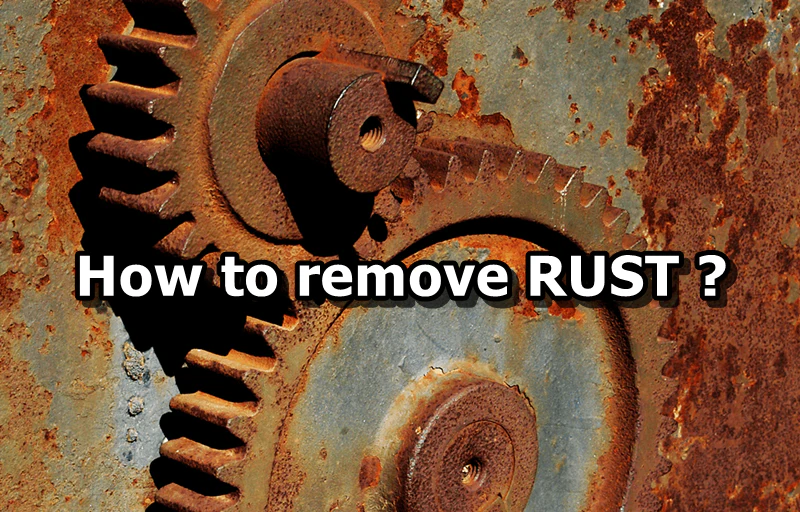
Rust is a common problem that affects everything from household tools to industrial equipment. It weakens metal, ruins appearance, and shortens the lifespan of valuable assets. While many people use a rust remover without fully understanding how it works, the process behind rust removal is rooted in fascinating and practical chemistry. By learning how rust forms and how it can be dissolved, you can make smarter decisions about maintenance, prevention, and long term care of metal surfaces.
This article explains how rust remover solutions work, the chemistry of dissolving iron oxide, and the role of supporting products such as rust penetrating oil. The goal is to provide clear, accessible information that helps readers understand not just what works, but why it works.
What Is Rust and Why Does It Form
Rust is the result of a chemical reaction known as oxidation. When iron or steel is exposed to oxygen and moisture over time, a reaction occurs that produces iron oxide. This compound is reddish brown, flaky, and much weaker than the original metal.
The process begins when water acts as an electrolyte, allowing electrons to move between iron and oxygen. Over time, layers of iron oxide build up, causing the metal to pit, crack, and lose structural integrity. This is why rust spreads and worsens if it is not addressed early.
Understanding the nature of rust is the first step in understanding how a rust remover works.
The Basic Chemistry of Rust Removal
At its core, rust removal is about reversing or neutralizing the oxidation process. A rust remover is designed to interact with iron oxide in a way that either dissolves it, converts it into a stable compound, or loosens its bond with the underlying metal.
Most rust removal methods rely on one of three chemical principles:
Acidic reactions that dissolve iron oxide
Chelation that binds rust particles and lifts them away
Reduction reactions that convert rust into a less harmful form
Each approach uses chemistry differently, but all aim to remove rust while preserving as much of the base metal as possible.
How Acid Based Rust Removers Dissolve Iron Oxide
One of the most common chemical approaches involves mild acids. Iron oxide reacts readily with acids, forming water soluble compounds that can be rinsed away.
When an acid comes into contact with rust, it breaks the bonds holding the iron and oxygen together. This reaction transforms iron oxide into iron salts and water. The rust layer softens, dissolves, and separates from the metal surface.
Acid based rust remover solutions are effective because they target rust directly. However, they must be used carefully. If left on too long, acids can also react with clean metal, leading to surface damage. This is why controlled exposure time and proper rinsing are important.
Chelation and How It Lifts Rust Without Harsh Acids
Chelation is a more advanced chemical process that removes rust by binding iron ions. Instead of aggressively dissolving rust, chelating agents form stable complexes with iron atoms.
When applied to a rusted surface, chelating molecules surround the iron ions in iron oxide and pull them into solution. This gently lifts rust away without significantly affecting the underlying metal.
This approach is often favored when precision is important, such as with delicate tools or antique items. Chelation based rust remover products work more slowly but offer greater control and reduced risk of damage.
Conversion Reactions That Transform Rust
Some rust treatments work by converting iron oxide into a different compound rather than removing it completely. These chemical reactions stabilize rust, turning it into a black or dark layer that resists further corrosion.
While this method does not technically dissolve rust, it prevents oxygen and moisture from continuing the oxidation process. Conversion reactions are commonly used as a preparatory step before painting or coating metal surfaces.
Understanding this distinction helps users choose the right rust remover for their specific goal, whether that is full removal or long term stabilization.
The Role of Rust Penetrating Oil in the Process
While a rust remover focuses on chemical reactions, rust penetrating oil plays a supporting but crucial role. Rust penetrating oil is designed to seep into tight spaces and microscopic gaps between rusted metal parts.
By reducing friction and breaking the bond between rust and metal, rust penetrating oil makes it easier for chemical agents to reach deeper layers of corrosion. It is especially useful for fasteners, joints, and threaded components where rust removal solutions alone may not penetrate effectively.
In many maintenance routines, rust penetrating oil is used first to loosen rusted components, followed by a rust remover to address remaining corrosion on exposed surfaces.
Why Some Rust Is Harder to Remove Than Others
Not all rust behaves the same way. Environmental conditions, metal composition, and exposure time all affect how rust forms and how it responds to treatment.
Deep pitting rust penetrates into the metal itself, making complete removal more difficult. Surface rust, on the other hand, sits on top of the metal and responds quickly to chemical treatment.
Temperature and humidity also influence chemical reactions. Warmer conditions generally speed up rust removal processes, while cold environments can slow them down. Understanding these factors helps set realistic expectations when using a rust remover.
Safety Considerations in Rust Removal Chemistry
Although rust removal chemistry is effective, it must be handled responsibly. Many chemical reactions release heat or fumes, and some solutions can irritate skin or eyes.
Using protective gloves, ensuring proper ventilation, and following instructions carefully are essential steps. Even milder rust remover solutions can cause unintended damage if misused.
It is also important to dispose of used solutions properly. Dissolved iron compounds should not be poured indiscriminately into drains without considering local disposal guidelines.
How Rust Removal Protects Metal Long Term
Removing rust is only part of the solution. Once iron oxide is gone, the exposed metal becomes vulnerable to future oxidation. This is why rust removal is often followed by drying, coating, or lubrication.
Protective coatings, paints, or oils create a barrier that blocks oxygen and moisture. Rust penetrating oil can also be used as a temporary protective layer in mechanical applications where movement is required.
By combining rust remover chemistry with proper post treatment care, metal surfaces can remain functional and corrosion free for much longer periods.
Common Misconceptions About Rust Removal
One common misconception is that stronger chemicals always work better. In reality, aggressive solutions can damage metal and shorten its lifespan. Choosing the right rust remover depends on the severity of corrosion and the type of metal involved.
Another misunderstanding is that rust removal is permanent. Without preventative measures, rust will return. Chemistry can remove iron oxide, but it cannot change the fundamental nature of iron’s reactivity with oxygen.
Education and realistic expectations are key to successful rust management.
Practical Applications of Rust Removal Chemistry
From automotive maintenance to household repairs, rust removal chemistry plays a role in daily life. It restores function to seized components, improves safety by strengthening metal structures, and enhances appearance.
In industrial settings, rust removal extends equipment life and reduces downtime. In homes, it helps preserve tools, furniture, and fixtures that would otherwise need replacement.
Understanding how rust remover chemistry works empowers users to apply it more effectively and responsibly.
Rust may seem like a simple surface problem, but it is the result of complex chemical reactions between iron, oxygen, and moisture. A rust remover works by targeting iron oxide through dissolution, binding, or conversion, each method grounded in well established chemistry.
Supporting tools such as rust penetrating oil enhance this process by improving access to corroded areas and reducing mechanical resistance. Together, these approaches provide a comprehensive strategy for managing corrosion.
By understanding the chemistry behind rust removal, readers can make informed choices, protect valuable metal items, and approach maintenance with confidence. Knowledge transforms rust removal from a trial and error task into a precise and effective solution.