

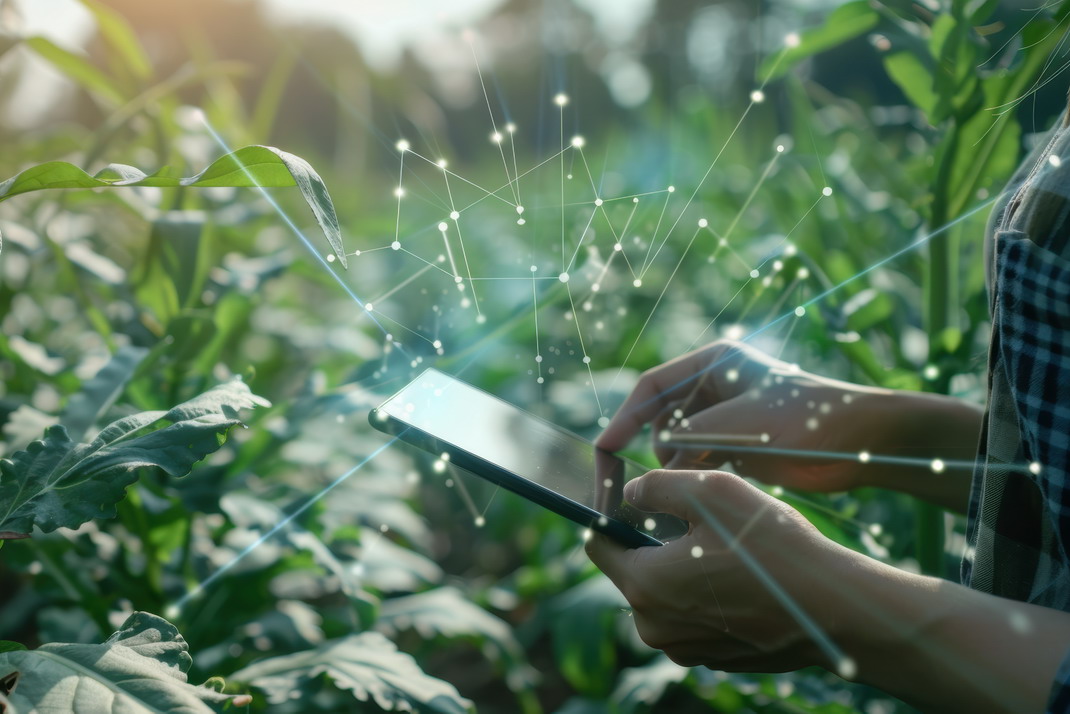
Farming demands continuous attention and swift decisions. Farmers spent years walking their fields every day to check on their crops. They also look for any issues or signs that the crops are ready to harvest. Technology now offers farmers a new way of seeing things. A way with constant, around-the-clock awareness. IoT connects farm devices for constant crop monitoring. These devices assess soil humidity, track plant progress, and find early diseases. This technology helps US farmers grow more food, using fewer resources. Data aids farmers in making quick, smart decisions. Technology is revolutionizing food production.
Smart Soil: Understanding What’s Underground
The earth offers many clues about crop health. Sensors now reveal these insights by tracking moisture, temperature, and nutrients. Farmers use small devices to collect this data. Data from sensors reveals subsurface conditions.
A farmer might notice that a section of their field dries out faster than the surrounding areas. This understanding enables precise watering rather than using sprinklers universally. Some sensors identify nitrogen and additional nutrients, allowing farmers to use fertilizer solely in necessary areas. This accuracy reduces costs and stops surplus chemicals from flowing into waterways. The soil data is received continuously, providing farmers with daily information rather than annual soil assessments. This ongoing observation supports crop growth with minimal waste.
Weather Watching at the Field Level
Weather impacts various areas of a farm in different ways. IoT for crop monitoring comprises compact weather stations that monitor conditions directly at the location of the crops. According to the experts at Blues IoT, these instruments gauge precipitation, wind speed, humidity levels, and temperature at different sites.
This local weather information is more useful than broader regional predictions. A farmer could find one field received an inch of rain, another a quarter inch. With this knowledge, irrigation improves. Some systems predict plant diseases by monitoring temperature and humidity. Farmers are alerted to disease risks, allowing prevention. These preliminary alerts preserve whole harvests that could otherwise be destroyed.
Spotting Trouble with Smart Eyes
Drones and cameras can now detect unseen crop issues. These devices capture plant stress using light wavelengths. The systems automatically scan and highlight important image sections. A farmer gets a notification regarding a small region displaying symptoms of nutrient shortage. This early notice allows for intervention. This technology detects early insect damage for optimal treatment. Some cameras count plants and measure their height, providing growth data automatically. These “smart eyes” operate around the clock, monitoring vast regions that would require days of on-foot inspection. Farmers have more time for other essential tasks while maintaining improved control over their crops.
Making Sense of Farm Data
The real strength of farm IoT arises from integrating all this data. Contemporary agricultural management systems compile information from soil sensors, meteorological stations, and cameras into a single location. The software evaluates this data to recommend actions for every field section.
Producers obtain straightforward maps indicating precisely where to irrigate, apply nutrients, or inspect for insects. The system may advise delaying the harvest of one field for two days while proposing to harvest another field right away. The suggestions are based on current conditions. The technology streamlines farm management. Large farms can now have the same detail as smaller areas.
Conclusion
IoT technology continues to transform American agriculture. Previously, areas once based on educated guesses now benefit from the collection of thousands of daily data points. Farmers work more efficiently with nature, knowing plant needs. Water and fertilizer go only where needed. This saves money and protects the environment. These technologies are crucial for feeding the country, given climate issues and demand for sustainable food. The future of farming links old wisdom with new data.