

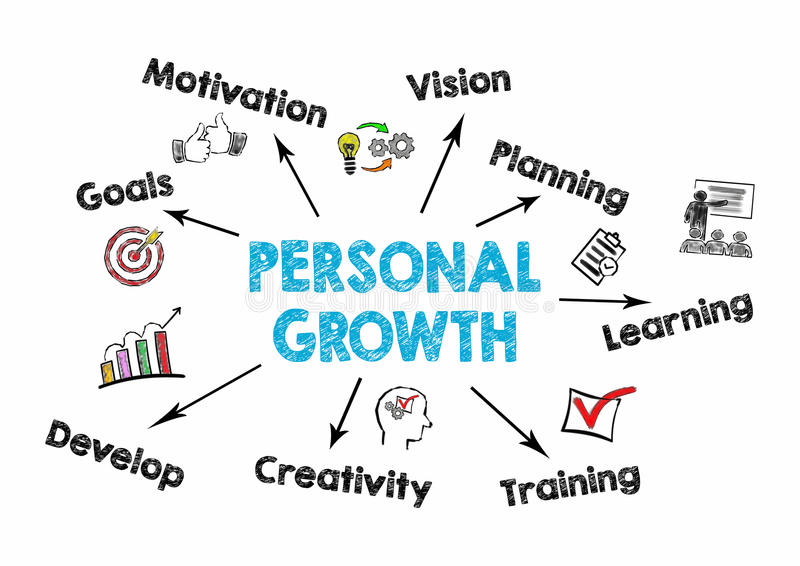
The concept of aking in has gained popularity in self-development circles, mindfulness practices, and leadership training. However, it remains a mysterious phrase for many. Whether you stumbled upon the term recently or have heard it in motivational talks, understanding its meaning and how to practice aking in can be transformative.
In this article, we’ll explore what aking in really means, its applications in personal and professional life, and how you can incorporate this mindset to enhance your growth, resilience, and emotional intelligence.
Table of Contents
ToggleWhat Does Aking In Mean?
At its core, aking in is a conscious practice of absorbing or deeply internalizing experiences, knowledge, emotions, or surroundings. It’s about being fully present and allowing oneself to feel, learn, and evolve through those moments.
The term aking in is often associated with:
-
Deep reflection and mindfulness
-
Emotional awareness and acceptance
-
Learning through lived experiences
-
Being mentally and emotionally receptive
Unlike passive observation, aking in is an active process that requires intention, openness, and vulnerability.
Why Aking In Matters
Practicing aking in helps individuals:
-
Become more self-aware
-
Develop empathy and emotional intelligence
-
Make thoughtful, informed decisions
-
Build resilience in the face of adversity
-
Improve communication and relationships
Let’s delve deeper into how aking in can impact key areas of life.
The Benefits of Aking In for Personal Development
1. Enhances Emotional Intelligence
When you are aking in your emotions instead of suppressing or reacting impulsively, you gain better control over how you respond to situations. This self-awareness helps improve your interactions with others.
2. Encourages Mindfulness
Aking in moments of silence, nature, or even discomfort, teaches you to stay present. This mindfulness reduces anxiety, stress, and mental clutter.
3. Strengthens Learning and Growth
By aking in feedback, challenges, and successes, you build a growth mindset. It helps you adapt, improve, and refine your skills.
4. Fosters Gratitude and Positivity
When you are aking in life’s joys—big or small—you cultivate gratitude. This positivity boosts mental well-being and overall happiness.
Practical Ways to Practice Aking In Daily
1. Mindful Breathing and Observation
Start each day by aking in your breath and environment. Pay attention to sounds, sights, and sensations around you.
2. Reflective Journaling
Spend 10 minutes a day aking in your thoughts by writing them down. Reflect on your emotions, actions, and insights.
3. Deep Listening
In conversations, practice aking in what others say without interrupting or judging. This builds empathy and understanding.
4. Emotional Check-Ins
Pause throughout the day to ask, “What am I feeling right now?” Aking in your emotional state helps you manage it better.
5. Learning from Feedback
Instead of resisting criticism, ake in the feedback. Consider what lessons it offers for your personal or professional growth.
Aking In at Work: How It Boosts Professional Success
1. Leadership Development
Leaders who master aking in the perspectives and ideas of their team foster trust and innovation.
2. Effective Collaboration
Aking in diverse viewpoints during teamwork leads to better problem-solving and creativity.
3. Conflict Resolution
When conflicts arise, aking in the concerns and emotions of others helps de-escalate tensions and find common ground.
4. Adaptability
Markets and work environments constantly change. By aking in new information and trends, you stay agile and competitive.
Real-Life Examples of Aking In
Example 1: Overcoming a Setback
Sarah faced job rejection but instead of dwelling on failure, she took time aking in the lessons from the experience. She improved her skills, refined her resume, and eventually landed her dream job.
Example 2: Embracing Joy
David, a busy entrepreneur, began practicing gratitude by aking in small joys—morning coffee, a smile from a stranger. This shift helped him reduce stress and appreciate life more fully.
Example 3: Learning Through Travel
Anna traveled to a new country. By aking in the culture, language, and history, she expanded her worldview and developed deep intercultural understanding.
Common Mistakes to Avoid While Aking In
-
Being Distracted: True aking in requires presence. Avoid multitasking or mental wandering.
-
Judging Experiences: Let go of biases. Aking in means accepting things as they are.
-
Forcing Outcomes: Don’t try to control every moment. Be open to unexpected lessons.
How to Cultivate the Habit of Aking In
Set Intentions
Begin your day with a simple intention: “Today, I will be fully present and ake in each experience.”
Schedule Time for Reflection
Dedicate time for mindfulness or journaling. Consistency is key.
Surround Yourself with Mindful People
Engage with people who value depth and presence. They’ll encourage your aking in journey.
Use Reminders
Set visual or digital cues to pause and ake in the moment—whether it’s an alarm, sticky note, or background wallpaper.
Frequently Asked Questions About Aking In
Q1: Is aking in the same as mindfulness?
Aking in includes mindfulness but is broader. It involves not just awareness but also internalizing and reflecting on experiences for growth.
Q2: Can I practice aking in during busy days?
Yes. Even short moments—while walking, eating, or resting—can be used for aking in your environment and emotions.
Q3: How long does it take to see benefits from aking in?
With consistent practice, many people notice improvements in clarity, emotional control, and peace within a few weeks.
Conclusion: Embrace the Power of Aking In
In a fast-paced world filled with distractions and surface-level engagement, learning the art of aking in is more important than ever. It’s not just about being present, but about fully absorbing, learning, and evolving from every experience.
By practicing aking in, you nurture your mental clarity, emotional strength, and personal growth. Whether it’s a moment of success, a challenge, or a simple daily routine, let every experience enrich you. Start today, and allow aking in to transform the way you live, learn, and lead.