

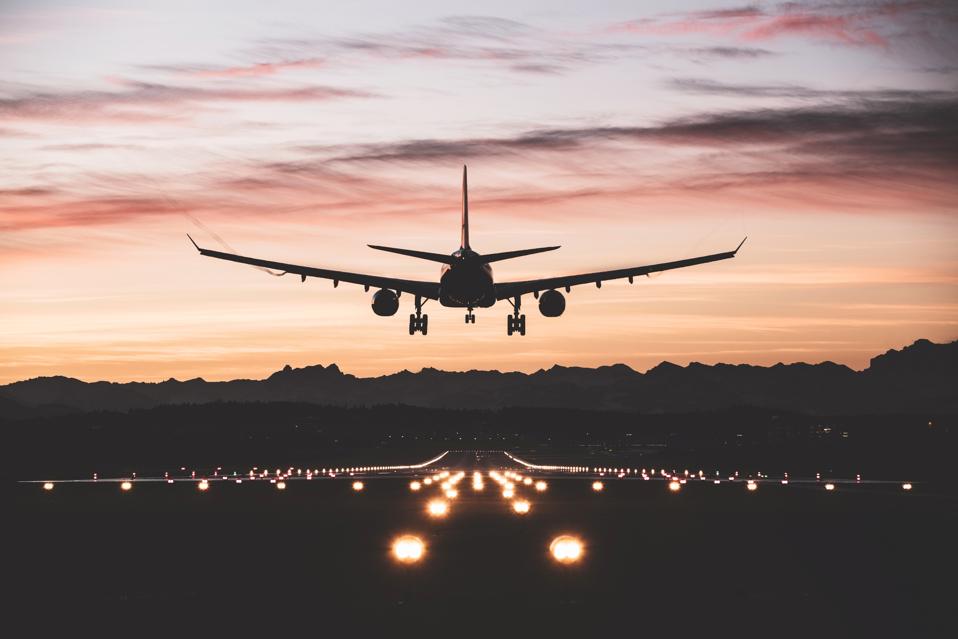
Travel, at its essence, is far more than the act of moving from one place to another. It is a journey into the unfamiliar, a dialogue with the world that reshapes our understanding of ourselves and others. While the practicalities of travel involve schedules, maps, tickets, and borders, its deeper nature resides in its power to broaden perspectives, cultivate empathy, and inspire personal transformation. In an age where much of life is mediated through screens, travel remains one of the few experiences that fully immerses the body, mind, and soul.
Historically, travel was a privilege reserved for explorers, traders, and aristocrats. The Grand Tour, a traditional journey through Europe undertaken by young noblemen in the 17th and 18th centuries, was considered a vital part of a gentleman’s education. These journeys were not merely leisure pursuits but cultural pilgrimages aimed at cultivating worldliness and taste. Today, the democratization of travel has made the world more accessible than ever. Budget airlines, high-speed trains, digital maps, and a vast network of accommodations cater to nearly every type of traveler. Yet, even in its most modern form, travel still offers that same ancient promise: to leave home and return changed.
One of the most compelling aspects of travel is its ability to challenge our assumptions. Immersing oneself in a different culture—one where customs, languages, and daily rhythms diverge from the familiar—forces the mind to adapt. The simple act of ordering a meal in a foreign language, navigating a bustling local market, or observing religious rituals alien to one’s upbringing can spark a reevaluation of what we consider “normal.” These experiences, while sometimes disorienting, often foster humility and a renewed sense of curiosity.
Moreover, travel has a unique capacity to humanize. In media-saturated societies, distant places are often reduced to headlines or stereotypes. But when one visits a rural village in Morocco, shares tea with a family in Kyoto, or hikes alongside locals in the Andes, the abstract becomes intimate. Stories replace statistics, and names replace labels. One comes to see that across all cultures, there exists a common thread of humanity—hopes, fears, laughter, and dreams. This recognition can be deeply moving and often shifts how we engage with global issues upon returning home.
There is also an undeniable aesthetic pleasure in travel. The vivid blues of Santorini’s domes against the Aegean sky, the intricate mosaics of an Andalusian courtyard, or the serene majesty of a Scandinavian fjord—these moments stir the senses and awaken the soul. Art, architecture, landscapes, and local cuisines together form a mosaic of beauty that no photograph or travel blog can ever fully capture. The lived experience of standing before Michelangelo’s David, tasting a freshly made Vietnamese pho, or hearing the call to prayer echo through Istanbul’s streets is visceral and irreplaceable.
However, the true magic of travel often lies in the unexpected. It is found in missed trains that lead to chance encounters, in the wrong turn that reveals a hidden gem, or in the spontaneous detour that becomes the highlight of the trip. Travel teaches flexibility, patience, and the value of serendipity. In a world obsessed with planning and control, these lessons are invaluable. They remind us that not all things of value can be scheduled or anticipated.
Of course, modern travel is not without its ethical and environmental concerns. Overtourism, carbon emissions, cultural commodification, and ecological degradation are real and pressing issues. As travelers, we bear a responsibility to engage with destinations respectfully and sustainably. This means supporting local economies, being mindful of our environmental footprint, and educating ourselves about cultural sensitivities. Responsible travel is not about abstaining from the journey but about approaching it with intention and integrity.
In recent years, the concept of “slow travel” has gained traction—a movement that emphasizes quality over quantity, depth over breadth. Rather than rushing through a checklist of sights, slow travelers linger longer in fewer places, seeking to connect with communities and understand their rhythms. This approach not only reduces stress but also allows for a more meaningful engagement with place. A month spent volunteering on an organic farm in Tuscany or studying traditional textile techniques in Oaxaca can offer insights no guidebook can provide.
Furthermore, the benefits of travel extend beyond the individual. Cultural exchange fosters diplomacy, economic growth, and mutual understanding. When people move freely and engage authentically, walls—both literal and metaphorical—begin to crumble. Travel, in this way, becomes an act of bridge-building, a soft form of diplomacy that transcends politics and ideology.
Ultimately, travel is a form of storytelling. Each journey becomes a chapter in the traveler’s life, a narrative shaped by landscapes, encounters, challenges, and discoveries. These stories are carried home—not just in photographs or souvenirs, but in gestures, values, and memories that endure long after the suitcase is unpacked. Travel is not merely about the destination; it’s about who we become along the way.
In a world often divided by differences, travel reminds us of our shared existence on this pale blue dot. It invites us to step outside our comfort zones, to question, to marvel, to learn. Whether it’s a solo backpacking trip across Southeast Asia, a family vacation in the Alps, or a weekend getaway to a neighboring city, the act of travel enriches the human spirit. It challenges complacency and ignites a sense of wonder—a vital antidote in times that often feel cynical or fragmented.
As long as there are horizons to chase and stories waiting in the corners of the globe, the allure of travel will endure. Not merely as a luxury or escape, but as a profound exercise in understanding the world and, ultimately, ourselves.